Weight loss with a GLP-1 medication or another approach can change your body in ways you didn’t expect. Even after your weight settles, stretched skin may not tighten enough to match your new shape. Body contouring procedures can help address some of these changes, from loose skin on the abdomen or arms to concerns involving the breasts or face. They are not weight-loss treatments, and they can’t guarantee a particular result. Your timing, health, skin quality, and goals all matter. Learn what procedures may be available, how recovery can differ, and which questions to bring to your care team before deciding whether treatment is right for you.
Key Takeaways
- Identify what you want to address: Skin-removal surgery can treat significant loose skin, while non-surgical options may suit small areas of fat or mild skin laxity.
- Choose timing with your care team: Stable weight, overall health, skin quality, and GLP-1 treatment plans can all affect when and how to proceed.
- Plan for the full experience: Ask a qualified plastic surgeon about suitable procedures for your face, breasts, or body, along with scars, risks, costs, and recovery.
What Are Body Contouring Procedures?
Body contouring includes surgical and non-surgical treatments that reshape areas affected by significant weight loss. These treatments may address loose skin, localized fat, or both. The right option depends on your concerns, health, and goals, so a consultation with a qualified plastic surgeon is an important first step.
How they remove excess skin and reduce stubborn fat after weight loss
After significant weight loss, skin may not shrink enough to match your new body shape. Loose folds can remain around the abdomen, arms, thighs, breasts, or face. Depending on the area, a surgeon may remove excess skin, tighten underlying tissue, or use liposuction to reduce localized fat. Some people benefit from a combination of procedures, while others choose to treat one area at a time.
Removing excess skin may make it more comfortable to move, exercise, and wear certain clothing. Research also reports improvements in body image and well-being among some patients after body contouring. Outcomes vary, and surgery involves trade-offs, including scars. The research on body image and well-being after body contouring provides more context on patients’ reported experiences.
How they differ from weight-loss treatments
Body contouring is not a weight-loss treatment and does not replace ongoing weight management. Treatments such as GLP-1 medications and bariatric surgery can support weight loss, while body contouring addresses changes that may remain afterward, such as loose skin or localized fat.
This distinction helps set realistic expectations. Body contouring can reshape your silhouette, but it is not intended to produce substantial weight loss or prevent future weight gain. During a consultation, your surgeon can assess whether your main concern is excess skin, remaining fat, or both, and discuss which options may fit your needs. A review of surgical body contouring techniques explains how these procedures focus on reshaping rather than weight reduction.
How weight stability, skin quality, and anatomy shape results
Your results depend on more than the procedure itself. A surgeon will consider your weight history, the amount and location of loose skin, skin elasticity, overall health, and individual anatomy. Weight stability is important because continued weight loss or later weight gain can change your body contours. Your care team may recommend waiting until your weight has remained steady before planning surgery.
Skin quality also affects how your body responds to contouring. Skin with more elasticity may adapt more readily to changes in shape, while stretched or less elastic skin may not tighten on its own. These factors can help your surgeon recommend a realistic plan, including whether to treat one area or stage procedures over time. The American Society of Plastic Surgeons’ overview of quality-of-life outcomes discusses outcomes reported after body contouring following weight loss.
Which Surgical Procedures Remove Excess Skin?
After significant weight loss, loose skin may remain in more than one area. The most suitable procedure depends on where the skin sits, how much needs to be removed, your health, and what changes you hope to see. Some operations focus on one area, while others address a broader section of the body. A surgeon can assess your skin and anatomy, discuss possible scars, and explain what surgery can realistically achieve.
These procedures reshape the body rather than treat obesity or replace ongoing weight management. Many surgeons recommend waiting until your weight is stable before operating, including after weight loss with GLP-1 medication. Your care team can advise on timing based on your health and treatment plan. Nutrition, medications, and medical history also matter when planning surgery and recovery. The American Society of Plastic Surgeons’ guide to body contouring outlines common procedures for removing excess skin and reshaping areas affected by weight loss.
With 20 years of experience and thousands of patients served, the practice can help you explore options for the face, breasts, and body. A consultation is a chance to discuss your priorities and ask whether one procedure or a more gradual plan may be appropriate.
Review Bayside’s post-weight-loss body-contouring options, including how a tummy tuck differs from an arm lift when loose skin affects different areas.
Tummy tuck and panniculectomy for abdominal skin
A tummy tuck, also called abdominoplasty, removes excess abdominal skin and fat. When appropriate, the surgeon may tighten weakened or separated abdominal muscles as well. The incision is usually placed low on the abdomen, and the belly button may need to be repositioned. The procedure can change the abdominal contour, but it leaves a permanent scar.
A panniculectomy removes the pannus, the fold of excess skin and tissue that hangs over the lower abdomen. It focuses on removing the overhang and does not usually include the muscle tightening associated with a tummy tuck. People may ask about it when the fold creates practical concerns, such as making the area difficult to keep clean. Your surgeon can explain which approach fits your anatomy and goals. The ASPS tummy tuck guide offers more detail about abdominoplasty.
Lower body lift for the abdomen, hips, and buttocks
A lower body lift addresses loose skin around the abdomen, hips, and buttocks. It may be considered when excess skin extends around the lower torso, rather than being limited to the front of the abdomen. The operation removes skin and tightens underlying tissue to create a smoother contour. Incisions often extend around the body, so scarring can be extensive.
The surgical plan depends on how skin is distributed, your health, and the changes you want. A lower body lift is a substantial operation, and recovery may involve time away from work, limits on activity, and help at home. Ask your surgeon about incision placement, expected healing, and whether treatment should be done in one operation or staged. The ASPS overview of body lift surgery explains how it can address several areas of the lower body.
Arm lift and thigh lift for loose skin
An arm lift, or brachioplasty, removes excess skin from the upper arms. It may be an option when loose tissue remains between the armpit and elbow after weight loss. Depending on how much skin needs to be removed, the incision may run along the inner arm or extend toward the armpit. Your surgeon can explain where the scar is likely to sit and how visible it may be.
A thigh lift removes excess skin from the inner or outer thighs. The incision pattern varies according to the area treated and the amount of skin involved. Both procedures can reshape the treated area, but they do not prevent changes related to aging or future weight fluctuations. Discuss healing time, activity limits, and scar care as part of your consultation. The ASPS arm lift guide describes the procedure and what to consider before surgery.
Breast lift and reshaping after weight loss
Weight loss can reduce breast volume and leave skin less able to support the breasts. A breast lift, also called mastopexy, removes excess skin and reshapes breast tissue to change the breasts’ position and contour. A lift can address sagging, but it does not add volume. If you would like more fullness, your surgeon may discuss options such as implants or fat transfer, when appropriate.
The right approach depends on your anatomy, health, preferences, and whether your weight has stabilized. Breast surgery leaves scars, and the shape continues to settle during healing. Talk with your surgeon about possible changes in sensation, future screening, and plans for pregnancy or breastfeeding. The ASPS breast lift information can help you prepare questions for your appointment.
Face and neck procedures for excess skin
Significant weight loss can leave loose skin around the face and neck. A facelift may address sagging in the lower face, while a neck lift focuses on loose skin and tissue beneath the chin and along the neck. A surgeon may recommend one procedure or a combination, depending on your anatomy and goals. These operations remove or reposition tissue; they do not address every change in skin quality.
Because facial features are visible and individual, careful planning is important. Ask where incisions will be placed, what changes are realistic, and how long swelling or bruising may last. Your consultation should also cover scarring, recovery, and potential risks. The ASPS facelift overview provides information about this type of facial surgery.
Liposuction for localized fat, not significant loose skin
Liposuction removes localized fat through small incisions. A surgeon may use it to refine a contour when the skin is likely to contract around the new shape, or combine it with skin-removal surgery. It does not remove a significant amount of loose skin, so liposuction alone may not address the main concern after major weight loss.
If skin laxity is pronounced, removing fat without removing skin may leave the area looking looser. Your surgeon can assess skin quality, fat distribution, and the amount of excess tissue before recommending an approach. Be clear about whether you are concerned about a small fat deposit, hanging skin, or both. The ASPS liposuction guide explains what the procedure can and cannot address.
Combine or stage procedures after major weight loss
After major weight loss, some people want to address several areas, such as the abdomen, breasts, arms, or thighs. Depending on your health and the extent of surgery, a surgeon may recommend combining selected procedures or staging them as separate operations. Combining procedures may mean one recovery period, but it can also involve a longer operation. Staging treatment spreads surgery and recovery over time.
There is no single plan that works for everyone. Your surgeon will consider your overall health, weight stability, nutrition, goals, and the risks of each procedure. Ask which operations may be appropriate together, how much help you may need at home, and how the plan could affect time away from work and cost. The ASPS body contouring overview describes how treatment plans can be tailored to different areas and patient needs.
Which Non-Surgical Procedures Can Contour the Body?
Non-surgical body contouring may help with small, localized fat deposits or mild skin laxity. These treatments do not require incisions, but their results are generally more subtle than surgery. If you have lost a significant amount of weight, it’s important to know that non-surgical procedures cannot remove folds of excess skin. The right option depends on whether your concern is a small pocket of fat, fullness beneath the chin, or mild changes in skin tightness.
Cryolipolysis for small, localized fat bulges
Cryolipolysis, sometimes called fat freezing, uses controlled cooling to target small, localized fat bulges. The body gradually clears the affected fat cells, a process that typically takes two to three months. It is intended to shape specific areas, not to treat obesity, produce major weight loss, or remove loose skin.
Temporary effects may include redness, bruising, swelling, discomfort, and changes in skin color. The FDA’s overview of non-invasive body contouring also describes risks such as lasting numbness, burns, or temporary nerve effects. If loose, hanging skin is your main concern after weight loss, cryolipolysis is unlikely to address it. Ask a qualified clinician whether the treatment fits your goals and health history.
Deoxycholic acid injections for fat beneath the chin
Deoxycholic acid injections are used to reduce fat beneath the chin. This treatment may be considered when a small, localized pocket of fat contributes to fullness below the jawline. It is designed for that specific area, not for loose skin across the face or neck, and it does not remove excess skin after substantial weight loss.
The Cleveland Clinic’s guide to body contouring describes deoxycholic acid as an injectable option for fat beneath the chin. During a consultation, a provider can assess whether the fullness is related to fat, loose skin, or both. That distinction matters because each concern may call for a different approach. Ask about possible side effects, expected results, and the number of treatments that may be appropriate for you.
Energy-based treatments for modest skin tightening
Radiofrequency and laser-based treatments use heat or light to affect tissue beneath the skin. Depending on the device and treatment area, they may provide modest improvement in skin tightness, the appearance of cellulite, or circumference. They are intended for subtle contour changes, not for removing large amounts of tissue.
Results vary by treatment and person, as the FDA explains in its overview of non-invasive body contouring. After significant weight loss, skin may have stretched beyond what an energy-based treatment can meaningfully tighten. A clinician can assess your skin and discuss realistic results, possible side effects, and how many sessions may be needed. Ask whether the specific device is authorized for the area being treated.
Why non-surgical treatments cannot remove significant excess skin
Non-surgical contouring procedures are designed to reduce small fat bulges or make modest changes to body shape. They do not remove folds of excess skin, which can remain after major weight loss, including weight loss with GLP-1 medication. When loose skin is the main concern, surgery may be needed to remove it.
Body contouring is not a treatment for obesity or a substitute for the health benefits of weight loss, as the Cleveland Clinic notes in its body contouring guide. Before choosing a procedure, consider whether you want to address fat, excess skin, or both. A consultation with a plastic surgeon can help you compare non-surgical treatments with options such as a tummy tuck, arm lift, or body lift based on your anatomy, health, and goals.
Who Is a Good Candidate for Body Contouring?
Body contouring may be an option if you’ve lost a significant amount of weight and have loose skin or localized areas of fat that remain. Excess skin can affect clothing fit, comfort, and mobility, even after you’ve reached a weight that feels healthy for you.
Candidacy depends on more than the amount of weight you’ve lost. Your weight-loss timeline, overall health, skin quality, anatomy, and personal goals all help shape the plan. Some people may consider surgery to remove substantial excess skin, while others may be better suited to a non-surgical treatment for a smaller concern. A consultation can help you understand your options, expected recovery, and likely results. Body contouring is a personal choice, and the right approach should reflect your needs and priorities.
Maintain a stable weight and set realistic goals
It’s generally helpful to reach and maintain a stable weight before considering body contouring. Further weight loss or gain can change your shape and affect your results. The right timing varies, so ask your care team when your weight and health are ready for treatment.
Think about the changes you hope to make, too. Body contouring can remove excess skin or refine certain areas, but it can’t guarantee a particular body shape or prevent changes from aging. A discussion of the emotional and mental effects of body contouring notes that expectations can shape how patients feel about their results. Before choosing a procedure, share your priorities with your surgeon and ask what it can realistically address.
Plan treatment after GLP-1 medication or other major weight loss
If you’ve lost weight with a GLP-1 medication or another approach, consider body contouring as part of your broader care plan. Discuss timing with your prescribing clinician and plastic surgeon, especially if your weight or medication plan is still changing. Don’t stop or adjust a prescription without guidance from the clinician who manages it.
After major weight loss, some people have loose skin that doesn’t respond to exercise or nutrition changes. Research on body contouring after significant weight loss suggests that surgery may improve body image and well-being for some patients. The findings from this study of body image and well-being after weight-loss surgery can offer helpful context, but individual experiences vary. Your health, procedure, and recovery all play a role in your outcome.
Consider health, nutrition, smoking, and skin laxity
Your overall health and ability to heal are important factors in deciding whether and when to have surgery. Share your medical history, medications and supplements, previous procedures, and any nicotine use with your care team. Your surgeon may recommend addressing certain health concerns or changing the timing of treatment to support healing. Follow medical guidance before making changes to medications or nicotine use.
Skin quality and the amount of loose skin also affect which procedures may help. A surgeon can assess whether excess skin is limited to one area or involves several parts of the body. Patient experiences with body contouring describe potential changes in clothing comfort and mobility, as well as appearance. Use these stories as examples, not predictions: your needs and results will be specific to you.
Choose between surgery and non-surgical treatment
The best option depends on the concern you want to address. Surgery may be appropriate when there is a significant amount of loose skin. Non-surgical treatments may suit some smaller, localized fat deposits or mild skin laxity, but they cannot remove large folds of excess skin and may produce more subtle changes.
Consider your goals, health, and comfort with recovery time. Ask your clinician what each option can and cannot change, how many treatments may be needed, and what aftercare involves. A review of surgical body contouring techniques describes different approaches for the torso and limbs. A qualified plastic surgeon can assess your anatomy and help you compare suitable options, including whether treatment should be done in stages.
What Can Body Contouring Achieve—and What Are Its Limits?
After significant weight loss, body contouring can address loose skin and selected areas of remaining fat. The right option depends on your health, anatomy, skin quality, and goals. A consultation with a qualified plastic surgeon can help you understand what treatment may realistically change and what it cannot.
Improve contour, clothing fit, comfort, and mobility
Loose skin can rub, bunch beneath clothing, or make some daily activities uncomfortable. Depending on the area, procedures such as a tummy tuck, arm lift, or body lift can remove excess skin and refine the body’s outline. Some people also find movement more comfortable once loose tissue no longer gets in the way. Patients have reported improvements in clothing comfort, mobility, and self-esteem after body contouring, though experiences and results vary. Patient stories about body contouring can help you consider the changes others value, but they are not a guarantee of your own results.
Understand what skin removal and fat reduction can and cannot change
Skin-removal surgery removes excess tissue and reshapes the treated area. Liposuction can reduce localized fat, but it does not remove significant loose skin or treat obesity. Results depend on factors such as your anatomy, skin elasticity, and the amount of excess tissue. Body contouring may improve body image and well-being after major weight loss, but it cannot guarantee a specific shape or emotional outcome. A study on body image and well-being after body contouring offers helpful context for discussing potential benefits and expectations with your surgeon.
Know that body contouring does not treat obesity or replace weight management
Body contouring targets excess skin and selected fat deposits. It does not address the causes of obesity or prevent future weight gain, and it is not a replacement for nutrition care, physical activity, medication, or support from your healthcare team. If you take a GLP-1 medication, discuss your weight-loss timeline and treatment plan with your prescribing clinician and plastic surgeon before scheduling a procedure. Many surgeons recommend waiting until your weight is stable. Setting specific, realistic goals can also help: surgery may refine areas that concern you, but it cannot resolve every concern about body image or self-esteem.
Consider how weight changes and aging may affect results
Significant weight changes after surgery can alter your contours and affect your results. Pregnancy, aging, and changes in skin elasticity may also change the treated area over time. Maintaining a stable weight can help preserve surgical changes, although it cannot prevent normal aging. Research has found quality-of-life improvements after body contouring, while noting that the long-term benefits are not fully clear for every patient. The American Society of Plastic Surgeons’ summary of quality-of-life research provides more detail. Ask your surgeon how future weight changes or pregnancy plans may affect the timing and likely durability of treatment.
What Benefits and Risks Should You Weigh?
After significant weight loss, body contouring may address loose skin or stubborn areas that remain. Weigh the potential benefits against the risks, recovery, and limits of each procedure. Your health, weight stability, skin quality, and goals all help shape what may be appropriate. A consultation with an experienced plastic surgeon can help you understand your options, including whether surgery or a non-surgical treatment is a better fit.
Consider potential physical and emotional benefits
Removing excess skin or reshaping an area may make clothing more comfortable and everyday movement easier. Depending on the procedure, body contouring can address areas such as the abdomen, arms, thighs, breasts, face, or neck. It may help your outward appearance feel more in line with the changes you’ve made through weight loss.
Some people also report feeling more comfortable with their bodies after surgery, although personal experiences vary and no procedure can promise a particular emotional outcome. A review of body contouring after major weight loss found improvements in body image and well-being among patients studied. Before treatment, talk with your surgeon about what you hope to change and what results are realistic for your body.
Understand surgical risks: anesthesia, bleeding, infection, blood clots, and wound-healing problems
All surgery carries risks, and the specific risks depend on your health, the procedure, and whether you combine or stage treatments. Possible complications include anesthesia-related problems, bleeding, infection, blood clots, and wounds that heal slowly or reopen. Your care team will consider your medical history and the extent of surgery when planning how to reduce and monitor these risks.
Be open about medications, supplements, nicotine use, and any health conditions that could affect surgery or healing. Ask your surgeon which risks are most relevant to you, what steps they take to manage them, and which symptoms need urgent attention during recovery. The Cleveland Clinic’s guide to body contouring explains common risks you can discuss at your consultation.
Consider scars, sensation changes, fluid buildup, asymmetry, and possible revision
Skin-removal surgery leaves scars. Their location and appearance depend on the procedure, your anatomy, and how your body heals. Scars often change over time, but they may remain visible. You may also experience swelling, discomfort, fluid collecting beneath the skin, or changes in sensation. Some changes improve as healing progresses, while others may last.
It’s also common for the two sides of the body to differ slightly, so perfect symmetry cannot be guaranteed. In some cases, a patient may consider another procedure to address a concern with the result. Ask where scars are likely to be, how they may affect your clothing choices, and what follow-up care is available. Your surgeon can also explain the chance of revision based on the procedures being considered.
Review non-surgical side effects, modest results, and treatment-specific risks
Non-surgical treatments usually involve less downtime than surgery, but side effects can still occur. Depending on the treatment, you may experience soreness, redness, swelling, bruising, or skin irritation. Some approaches require more than one session, and the results may be subtle or different from what you expected.
Ask your provider which technology they recommend and how it addresses your specific concern. Treatments designed to reduce a small, localized fat bulge generally cannot remove significant loose skin after weight loss. Before deciding, clarify how many sessions may be needed, what kind of change is realistic, how long results may last, and what side effects to watch for. This helps you compare non-surgical options with surgery based on your goals, rather than convenience alone.
Remember that “non-invasive” does not mean risk-free
“Non-invasive” generally means a treatment does not involve an incision or surgical removal of tissue. It does not mean the treatment is risk-free or that it can achieve the same changes as surgery. Some non-surgical technologies may cause pain, swelling, bruising, or skin reactions. Results can also be modest, temporary, or vary from person to person.
The FDA’s information on non-invasive body contouring explains that these treatments do not remove tissue from the body. Ask about the device, the provider’s training, potential side effects, and the likely results for your concern. If you have significant excess skin after weight loss, discuss whether a surgical procedure may be more suitable.
What Should You Expect During Recovery?
Recovery varies with the procedure, how much tissue is treated, and your health. Your surgeon will give you a personalized plan, so use their instructions rather than comparing your progress with someone else’s. If you’re having body contouring after significant or GLP-1–related weight loss, ask how your treatment areas and overall health may affect healing.
Manage surgical discomfort, compression garments, drains, and activity limits
Soreness, swelling, and bruising are common after surgery. Your care team will explain how to manage discomfort and which medications are appropriate. Depending on your procedure, you may need a compression garment to support the treated area and help manage swelling. Some patients also go home with drains that collect fluid near the incisions. Your team should show you how to care for them and explain when they can be removed.
Follow the directions you receive for bathing, dressings, sleeping positions, and returning to movement. You’ll likely need to avoid heavy lifting and strenuous activity while you heal. The Cleveland Clinic’s body contouring recovery guidance also stresses following your care team’s instructions for drains, medication, wound care, and activity.
Plan for recovery after abdominal, body, breast, and facial procedures
The area treated and the extent of surgery affect your recovery. After a tummy tuck or lower body lift, for example, you may need to limit bending, lifting, and movements that strain your abdomen. An arm or thigh lift may make some everyday movements uncomfortable at first. Breast procedures may call for a support garment and temporary limits on upper-body activity. Facial procedures can involve swelling or bruising, along with specific incision-care instructions.
Some patients go home the same day, while others need additional monitoring. Arrange a ride home and ask whether someone should stay with you the first night. Before surgery, talk with your surgeon about what help you may need and which routine tasks to avoid during early healing.
Expect temporary swelling, soreness, or skin reactions after non-surgical treatment
Non-surgical treatments usually involve less downtime than surgery, but temporary effects are still possible. Depending on the method and treatment area, you may notice soreness, redness, swelling, bruising, or changes in skin sensitivity. Some people also develop a rash or another short-term skin reaction. Ask your provider which effects are expected with your treatment, how long they may last, and when to get in touch.
Results may appear gradually, and some treatments require multiple sessions. These options are generally intended for modest contour changes, not for removing significant excess skin. The Cleveland Clinic’s overview of body contouring describes potential side effects. Review the risks and likely results with your provider before choosing a treatment.
Arrange time away from work and help at home
Plan your time off before surgery. Surgical body contouring may require about one to two weeks away from work, while full healing and a return to vigorous exercise can take six to eight weeks. Your timeline depends on the procedure, your healing, and the demands of your job. If your work involves lifting, prolonged standing, or physical effort, ask whether you’ll need extra time away or modified duties.
Check with your surgeon before driving, exercising, or resuming household tasks. Arrange transportation after surgery and, if possible, line up help with meals, childcare, and chores while your activity is limited. Giving yourself some flexibility can make it easier to follow your recovery plan.
Follow aftercare instructions and report concerning symptoms
Keep your follow-up appointments so your care team can check your incisions, monitor healing, and answer questions. Follow the instructions you receive for medication, wound care, compression garments, and activity. If you’re unsure whether a symptom is expected, contact your provider rather than changing your care routine or applying products to your incisions without approval.
Call your healthcare provider about incision bleeding or drainage, increasing redness or swelling, a fever above 100.5°F, severe pain that medication does not relieve, or nausea and vomiting. Chest pain or dizziness also warrants prompt medical attention. The Cleveland Clinic’s guidance on symptoms to report offers a helpful reference, but follow the specific instructions your own care team gives you.
How Do You Choose a Body Contouring Procedure?
Start with a consultation, not a procedure name. The right plan depends on your goals, health, weight-loss history, and where excess skin affects you most. A qualified plastic surgeon can explain your options, expected results, and recovery so you can make an informed decision.
Discuss your goals, health history, weight-loss timeline, and options
Be clear about what you hope to change. You may want abdominal skin to interfere less with exercise, clothes to fit more comfortably, or a different contour around your breasts, arms, thighs, or face. Your surgeon can explain which procedures may help and what they cannot change. Skin removal, for example, can improve contour but does not guarantee a specific body shape or replace weight management.
Share your weight-loss timeline, current weight, medical conditions, previous surgeries, and any history of healing problems. These details help your care team assess whether surgery is appropriate and when to plan it. Discuss your expectations and concerns, too. Understanding the emotional effects of body contouring can help you prepare for the changes and recovery.
Ask about surgeon qualifications, facility, anesthesia, risks, and likely results
Ask whether your surgeon is board-certified in plastic surgery and experienced with the procedure you are considering, especially body contouring after major weight loss. Find out where the operation will take place, whether the facility is accredited, who will provide anesthesia, and how the team responds to complications or urgent concerns.
Make sure you understand the likely results, limitations, scars, recovery needs, and risks for your situation. Ask to see before-and-after photos of patients with concerns similar to yours, while keeping in mind that results vary. A review of surgical body contouring describes how options vary by treatment area. Your surgeon should explain why a procedure fits your anatomy, without promising a specific outcome.
Review GLP-1 medications and other prescriptions with your care team
Tell your surgeon and anesthesia team about all medications and supplements you take, including GLP-1 medicines prescribed for weight management or diabetes. Share the dose, how long you have taken each medication, and when you last used it. This information can affect surgical planning, so discuss it well before your procedure.
Do not stop, change, or restart a medication without guidance. Your surgeon, prescribing clinician, and anesthesia provider can advise you based on your health and planned procedure. Ask who will coordinate those instructions and whether medication changes could affect your weight or surgery timing. The American Society of Plastic Surgeons’ information on body contouring after weight loss also supports discussing your care and medications with your providers.
Compare costs, possible insurance coverage, and staged treatment plans
Request an itemized estimate covering the surgeon’s fee, facility and anesthesia charges, medications, compression garments, and follow-up visits. Ask what might create additional costs, such as an extended recovery or revision procedure. If you want treatment in several areas, find out whether procedures can be combined safely or are better planned in stages.
Insurance coverage varies. A procedure intended to address functional concerns may be assessed differently from one considered cosmetic, but coverage is never guaranteed. Contact your insurer to ask about documentation and approval requirements, and check what records the surgeon’s office can provide. Discussing treatment costs and staged body contouring plans can help you plan around your health, recovery, and budget.
How Can You Maintain Your Results?
Body contouring can remove excess skin and refine your shape, but your body may continue to change after surgery. Maintaining a stable weight, following your care team’s instructions, and allowing time for recovery can help support your results.
Keep your weight stable and follow your care team’s guidance
If possible, reach a weight you can maintain before surgery. Significant weight changes after body contouring may stretch skin or alter the shape of treated areas. Your surgeon can discuss how your weight-loss history, health, and goals factor into the timing of a procedure and what results may be realistic. Maintaining a stable weight is an important part of preserving body contouring results, as surgeons explain.
If you’re taking a GLP-1 medication, discuss your treatment and weight-loss plans with both your prescribing clinician and your surgical team. They can advise you on timing and care around surgery. Don’t start, stop, or change a medication without guidance from your clinician.
Attend follow-up visits and support healing with healthy routines
Keep your follow-up appointments, even if you feel well. Your surgeon can check your incisions, assess healing, and let you know when it’s safe to return to activities such as exercise and lifting. Follow instructions for wound care, compression garments, medications, and activity limits. If you have a symptom that concerns you, contact your care team rather than waiting for your next visit.
Once your surgeon clears you, regular movement, balanced meals, hydration, and adequate rest can support your general health. Give your body time to recover, and don’t push through discomfort or resume strenuous activity too soon. Following care recommendations and attending follow-up visits can support healing and help maintain your results.
Understand how future weight changes and aging may alter results
Body contouring reshapes specific areas, but it can’t stop aging or prevent future changes in your body. Skin may gradually lose firmness, and significant weight changes can affect your shape. Pregnancy may also change results after abdominal or breast procedures. These possibilities are worth discussing with your surgeon as you plan treatment.
Research suggests body contouring after major weight loss may improve body image and well-being, while noting that future weight changes and aging can affect results. Ask your surgeon how your anatomy, goals, and plans for the future may shape your expected outcome. A study on body image after body contouring offers further context, but individual results vary.
Frequently Asked Questions
How long should I wait after losing weight with a GLP-1 medication before considering body contouring?
Timing depends on whether your weight has stabilized, your health, and your medication plan. Discuss your goals with both your prescribing clinician and plastic surgeon. Don’t change or stop medication without medical guidance.
Can exercise or non-surgical treatments remove loose skin after major weight loss?
Exercise can support strength and overall health, but it usually cannot remove significant excess skin. Non-surgical treatments may help with small fat deposits or mild skin laxity, but they cannot remove large folds of skin.
Can I have several body contouring procedures during one operation?
Sometimes, but it depends on your health, the areas being treated, and the length and extent of surgery. Your surgeon may recommend combining procedures or staging them to support safety and recovery.
How long does recovery from body contouring take?
Recovery varies by procedure and individual healing. You may need time away from work and several weeks before returning to strenuous activity. Your surgeon will provide specific instructions for movement, wound care, and follow-up visits.
Will insurance cover excess skin removal after weight loss?
Coverage depends on your plan and the procedure. Contact your insurer to ask about eligibility, documentation, and approval requirements. The surgeon’s office may be able to provide records to support your inquiry.
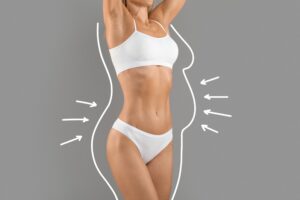 The goal of plastic surgery is to improve your appearance, as well as boost your self-confidence. But, while plastic surgery can enhance your esthetics, it often requires multiple steps and a substantial recovery period. Depending on the type of surgery, this recovery period may last a couple of weeks to a few months.
 Losing extra weight is an accomplishment that deserves to be celebrated. But, many people experience sagging skin and small pockets of stubborn fat that won’t budge despite dieting and exercise. In these cases, body contouring can help you reach your desired appearance after weight loss.
 With the onset of the COVID-19 pandemic in 2020, many of us were suddenly forced to work from home. Though it’s been over two years since the beginning of the pandemic, many of its effects still linger – including working from home.
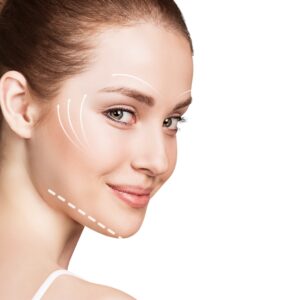 Patients interested in undergoing plastic surgery often have multiple procedures on their wish lists. After all, if you’re already going under the knife, why not tackle multiple cosmetic concerns at once?
 Plastic surgery can quickly and effectively enhance your appearance. Aside from the cosmetic benefit, plastic surgery can significantly improve patients’ self-esteem and mental health. For this reason,
 Do you have loose, sagging skin on your face or body? Does the loose skin cause you embarrassment or physical discomfort? In this guide, we’ll discuss the causes of loose skin and ways to correct it.
 There’s a lot involved in plastic surgery, no matter if it’s for reconstructive or cosmetic purposes. Surgery is a huge decision that no one should make lightly. One of the biggest decisions a person will make when they decide to have plastic surgery is choosing a surgeon.
 After losing a significant amount of weight, you deserve to feel proud and confident in your own skin. Unfortunately, after major weight loss, many people are left with loose skin and/or small pockets of stubborn fat that don’t respond to dieting and exercise.